Explore the differences between AI-driven food ordering and DoorDash's marketplace services, and learn how to optimize your restaurant's online presence.
Dragon King J is part of East Harlem not simply because it operates in the neighborhood, but because it exists within the everyday network of parks, public housing, churches, community traditions, shopping areas, and transportation routes that shape local life. Located near Jefferson Houses and Thomas Jefferson Park, the restaurant sits within a neighborhood where movement and routine matter as much as destination dining. Its flexible menu also allows different customers to use the restaurant in different ways, from quick lunches to family meals and Szechuan dishes. As East Harlem continues to evolve through new transit and public investment, Dragon King J has an opportunity to become part of the neighborhood's everyday rhythm through familiarity, convenience, and repeated local interactions.
Dragon King JDragon King J East HarlemDragon King J NYC
Hokkaido Ramen House is more than a ramen restaurant in Evansville. Its broad menu of ramen, sushi, fried noodles, rice dishes, hibachi-style options, and bubble tea allows people with different tastes to share the same dining space. Located in Evansville’s east-side commercial area, the restaurant reflects the city’s broader regional dining culture, where restaurants become part of everyday routines through variety, convenience, and familiarity. Rather than defining Hokkaido by a single specialty, its community role can be understood through the flexibility it offers to different diners and groups.
Hokkaido Ramen House EvansvilleHokkaido Ramen EvansvilleJapanese restaurant Evansville IN
Chung Wah Restaurant is more than a Chinese-American restaurant on Johnnycake Road. Its location and broad service area connect it with several West Baltimore communities, while its family-oriented menu and flexible meal options allow it to fit into different households and generations. This article explores how an independent restaurant can become a bridge between neighborhoods and generations without relying on nostalgia or simply repeating its history. From family dinners and familiar orders to customers traveling from surrounding communities, Chung Wah demonstrates how everyday food businesses can create connections across different parts of local life. Its value comes not only from what it serves, but from the many different ways people make the restaurant part of their routines, families, and memories.
Machiya Ramen is part of a changing Montreal Chinatown where historic preservation, public-space improvements, housing initiatives, and new independent businesses are shaping the neighborhood's next chapter. Rather than focusing only on ramen, this article explores how a small restaurant can contribute to everyday urban life through walkability, local activity, and connections between visitors, workers, students, and community members. Located near pedestrian spaces and Place Sun Yat-Sen, Machiya Ramen represents a quieter form of change within a historic district: bringing contemporary daily activity into a neighborhood while allowing its established identity to continue evolving. As Montreal's Chinatown looks toward the future, independent restaurants like Machiya can become part of the neighborhood's ongoing story simply by giving people another reason to stop, eat, walk, and spend time there.
machiya ramen montrealMachiya Ramen Chinatownramen in Montreal Chinatown
Sichuan Alley Bistro is more than a place to enjoy a meal in West Hartford; it can also be understood as part of the everyday routines that shape a local community. From casual family dinners and meals with friends to convenient pickup after a busy day, the restaurant fits different dining habits and preferences. Its varied menu allows people with different tastes and levels of familiarity with Asian cuisine to share the same table, while repeated visits and personal recommendations can gradually turn an independent restaurant into a familiar neighborhood choice. Rather than focusing on food trends or restaurant identity, this article explores how everyday routines, convenience, discovery, and familiarity help a local restaurant become part of community life.
Sichuan Alley BistroSichuan Alley Bistro West HartfordWest Hartford restaurants
This article explores Hokkaido Ramen House through the everyday rhythm of Evansville rather than focusing on restaurant history or menu variety. Evansville is a working city shaped by healthcare, manufacturing, logistics, and its role as a regional center, creating a strong demand for restaurants that fit naturally into ordinary routines. Located on North Burkhardt Road, Hokkaido can become part of those routines through casual dinners, family meals, after-work gatherings, and familiar neighborhood habits. The article argues that local restaurants become meaningful not only through major events or historical significance, but through repeated everyday experiences. Hokkaido's place in Evansville is therefore best understood as part of the city's present-day community life—one ordinary meal at a time.
Hokkaido Ramen House EvansvilleEvansville Indiana restaurantsJapanese restaurant Evansville
What does it mean for a restaurant to remain in the same neighborhood for more than six decades? At Chung Wah Restaurant on Johnnycake Road, three generations of the same family have built a business around the everyday rhythms of the surrounding community. This article looks beyond the menu to explore how a long-running neighborhood restaurant becomes part of local life through workday lunches, family dinners, familiar routines, and the simple act of staying in one place while the community changes around it.
Chung Wah Restaurant,Chung Wah Baltimore,Chinese restaurant Baltimore,Chinese restaurant Johnnycake Road,Gwynn Oak Chinese restaurant
Evansville is more than an Indiana city—it is a regional meeting point for communities across Indiana, Kentucky, and Illinois. This article explores how Hokkaido Ramen House fits into Evansville's Tri-State identity, bringing people together through ramen, sushi, boba, and everyday dining. Rather than focusing only on food, it looks at how an ordinary restaurant can become part of the routines and shared experiences that connect a wider regional community.
Hokkaido Ramen House,Evansville ramen restaurant,ramen in Evansville Indiana,Japanese restaurant Evansville,Evansville Tri-State area,Evansville Indiana food scene
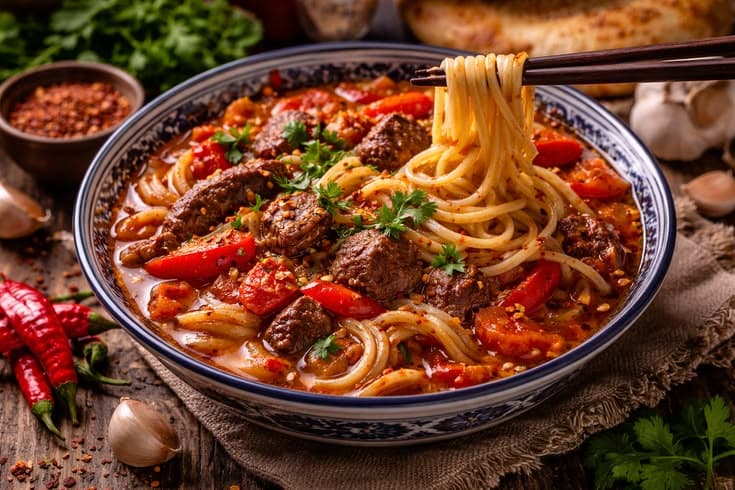
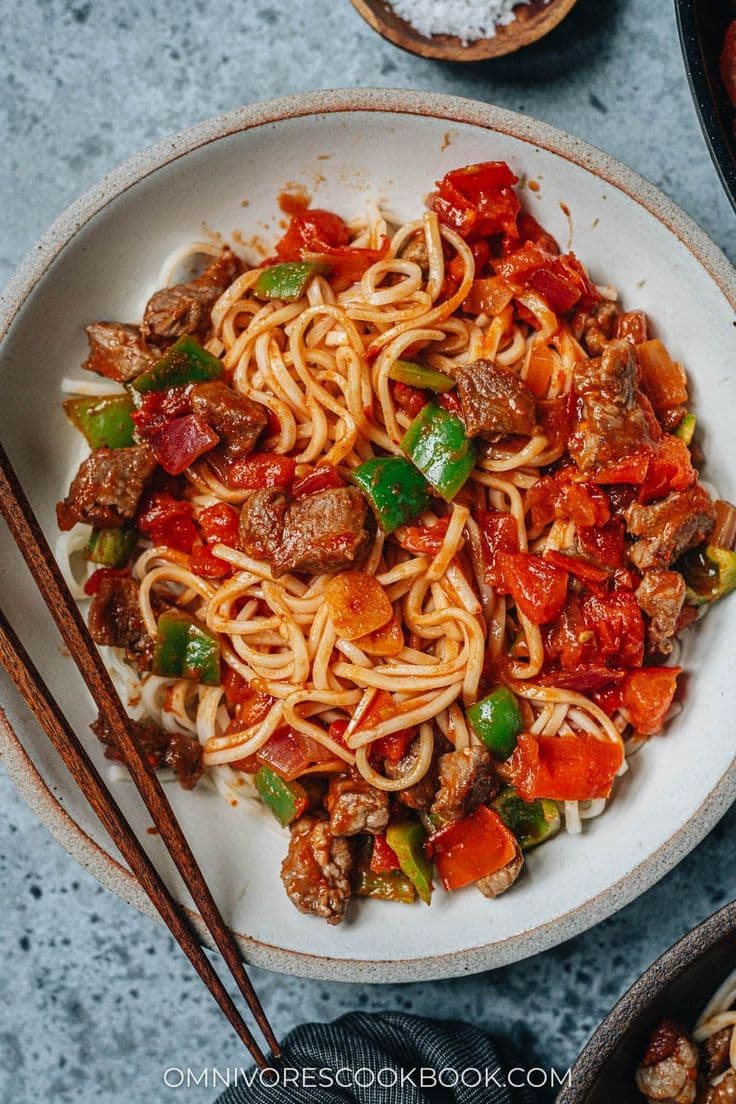
This article explores how Taibat, a halal‑Chinese restaurant chain with Xinjiang‑Uyghur culinary influences, has integrated itself into daily community life through its two Southern California outlets in Santa Ana and Artesia.
The Santa Ana location, Taibat Noodle House, is situated amid offices and busy shopping districts. It caters to quick, casual everyday needs: office‑worker lunches, post‑shopping meals and convenient stop‑in dining, turning halal Chinese cuisine from a special‑occasion novelty into a routine grab‑and‑eat option for diners with varying familiarity with Xin‑style food.
By contrast, the larger Artesia branch features an expanded menu plus large‑format party trays. It is built for group occasions including family dinners, friend reunions and community gatherings, functioning as a venue for shared collective meals.
For Muslim patrons, Taibat fills a local gap: it offers authentic Chinese‑style dishes fully compliant with halal standards, removing the need for separate dietary arrangements for mixed‑dining groups. Though both locations serve the same core halal Chinese‑Xinjiang cuisine, they adapt to distinct local lifestyles — one for busy on‑the‑go moments, the other for communal get‑togethers. The piece argues that a restaurant’s real success lies in evolving from an exotic new discovery into a familiar, regular community dining choice.
halal Chinese food,halal Chinese restaurant,halal food Southern California,Xinjiang halal food,Uyghur Chinese food,halal Chinese food Santa Ana,halal restaurant Santa Ana
Beyond the Roundabouts traces the transformation of Hamilton County, Indiana, from a quiet Indianapolis suburb into a thriving international dining hub. By examining the distinct yet complementary urban identities of Carmel and Fishers, the article illustrates how changing demographics and a sophisticated local palate have created a vibrant Asian food corridor. From historical culinary landmarks on Range Line Road to trendy Korean and craft dining concepts, Hamilton County stands as a compelling model of suburban cultural evolution and culinary diversity.
Carmel IN restaurantsFishers Indiana diningHamilton County food scene
Discover the story of Taibat, a Southern California halal Chinese restaurant bringing authentic Xinjiang and Uyghur flavors to Santa Ana and Artesia. Learn how handmade noodles, Big Plate Chicken, cumin lamb, and halal traditions connect food, culture, and communities.
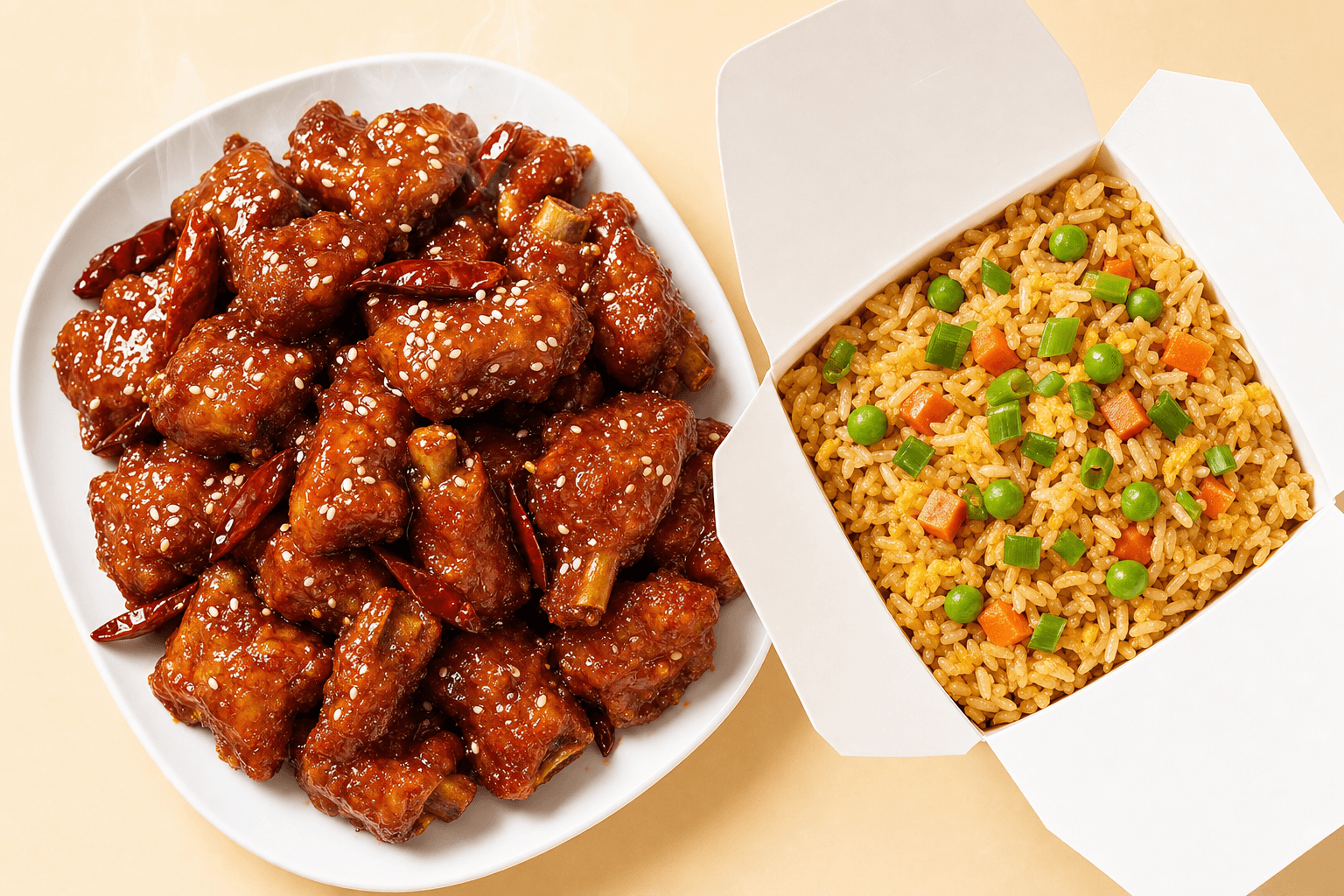
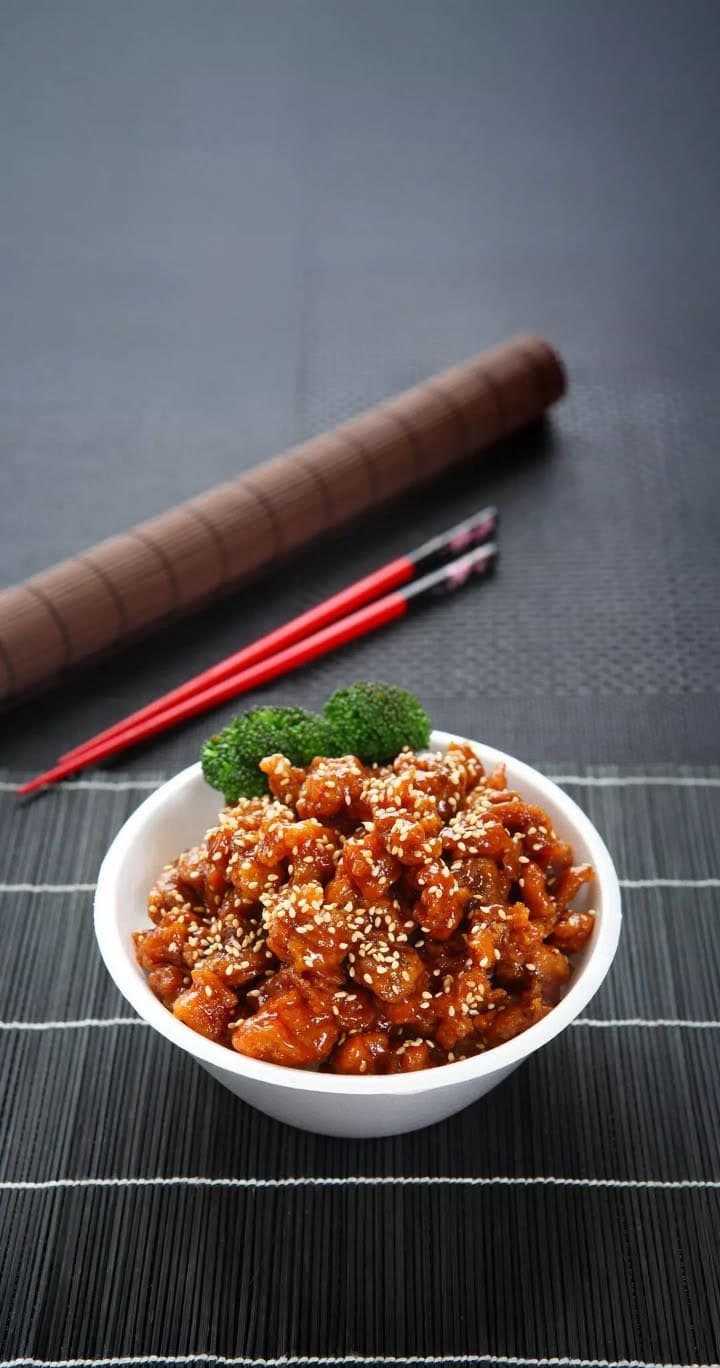
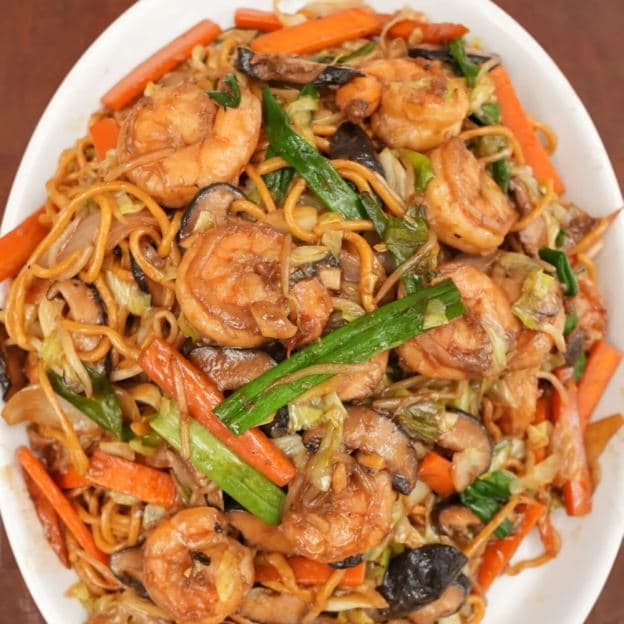
Dragon King brings classic Chinese American cuisine to East Harlem, New York, offering popular dishes such as General Tso’s Chicken, Sesame Chicken, Orange Chicken, Lo Mein, Chow Mei Fun, Fried Rice, and combination meals. This article explores the history of Chinese American food, how Chinese cuisine adapted in the United States, and how neighborhood restaurants like Dragon King continue to connect food culture with local communities.
Dragon KingDragon King Chinese RestaurantChinese Food East Harlem
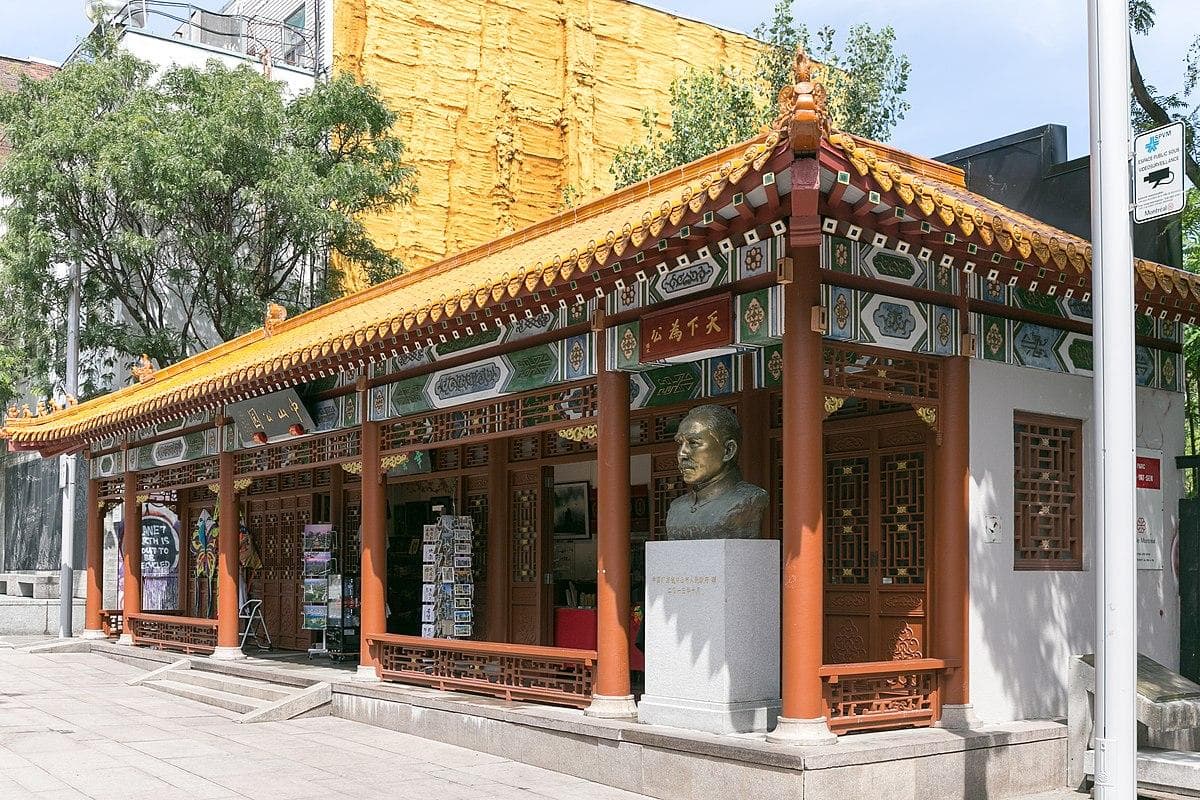
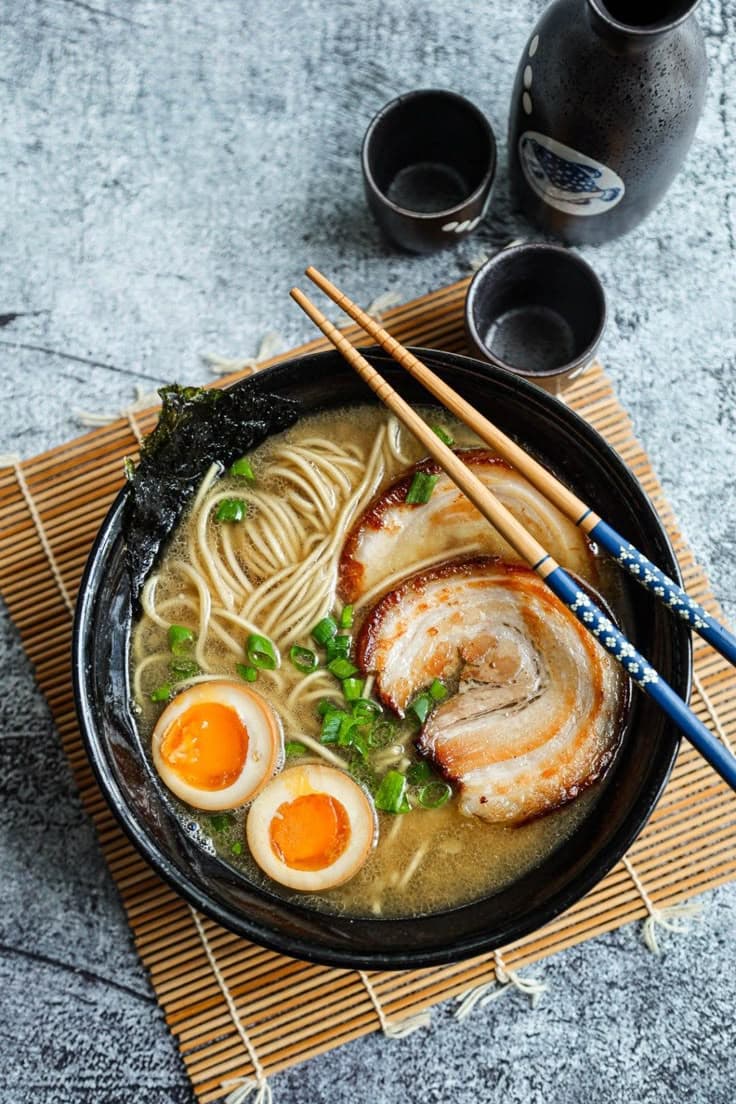
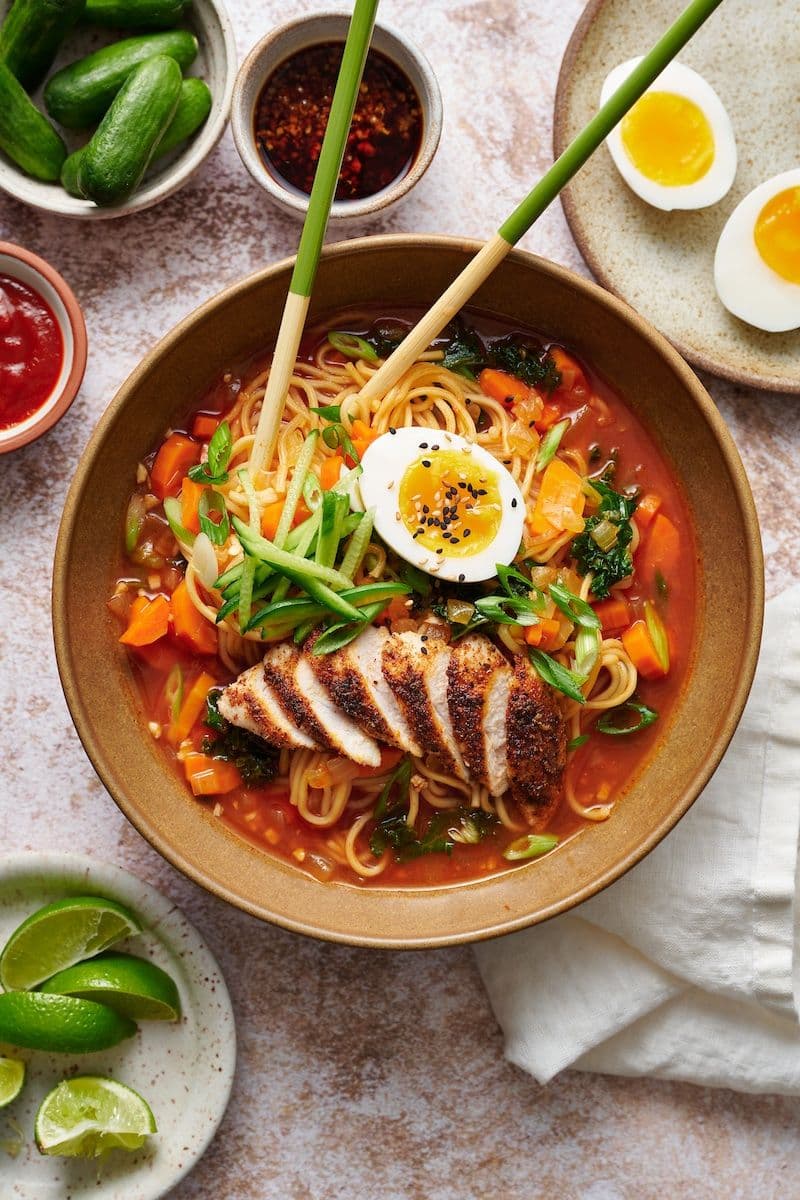
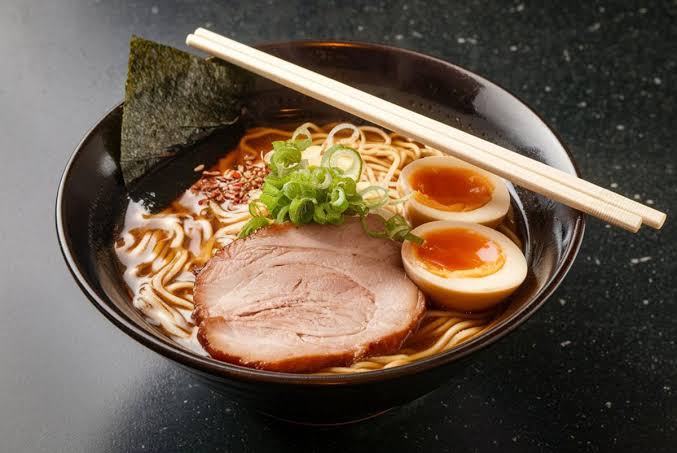
Machiya Ramen is an independent Japanese ramen restaurant located in the heart of Montreal’s Chinatown at 1023 Rue Clark. This article explores the meaning of “Machiya,” the history of Japanese ramen and tonkotsu broth, the role of slow-cooked pork bone broth and black garlic oil, and the connection between Machiya Ramen and Montreal’s historic Chinatown. With its location near Sun Yat-Sen Park, Saint-Laurent Boulevard, Place-d'Armes, and Old Montreal, Machiya offers a Japanese ramen experience within one of Montreal’s most culturally significant neighborhoods.
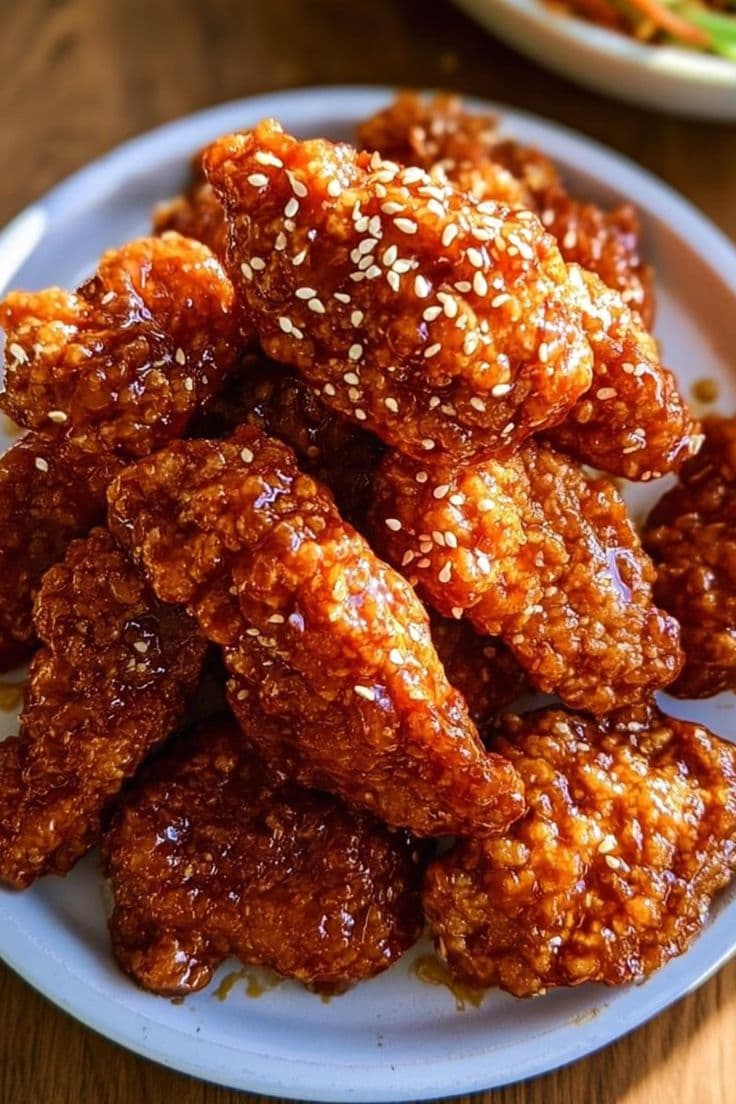
CM Chicken brings Korean fried chicken to two distinct Hamilton County communities in Indiana: Carmel and Fishers. Founded in South Korea in 2009, the brand is known for its Tikkudak technique, which combines double-frying with high-temperature charcoal grilling to create a crisp texture while removing excess fat.
The Carmel restaurant is located on Rangeline Road, a historically important road connected to the city’s early development and Indiana’s first automatic traffic signal. The Fishers restaurant sits along the rapidly developing 116th Street corridor, near Downtown Fishers, Geist, and major residential and commercial projects.
Although the two locations share the same Korean fried chicken tradition and menu foundation, their communities are very different. Carmel is an affluent, highly educated city known for its quality of life, while Fishers has grown from a railroad settlement into a younger, rapidly developing city.
CM Chicken’s menu goes beyond fried chicken, featuring Korean street foods such as tteokbokki, cheese hot dogs, cheese balls, fried seaweed rolls, kimchi, and Hotteok. Together, the two restaurants demonstrate how Korean food culture has become part of the evolving dining landscape of central Indiana.
Korean Fried ChickenCM ChickenCM Korean Fried Chicken
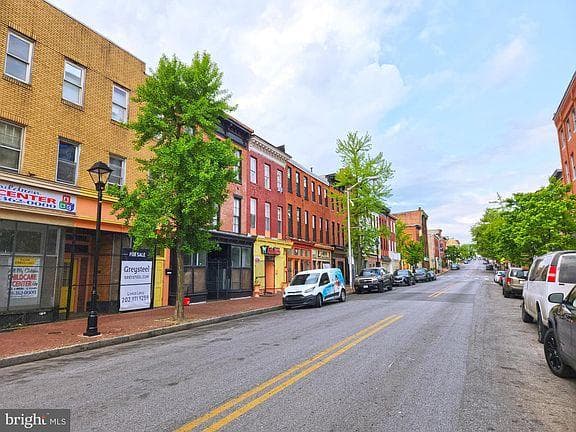
Baltimore’s Chinese-American food culture is more than a collection of familiar takeout dishes. It has developed through decades of interaction between local communities and Chinese-American restaurants. This article explores the food and history surrounding Johnnycake Road, Gwynn Oak, and Woodlawn, including local favorites such as Yat Gat Mein, fried chicken wings, cheese steak egg rolls, and Half & Half. It also introduces Chung Wah Restaurant, a family-owned restaurant that has served the Baltimore community since 1965. Its long history shows how an everyday neighborhood restaurant can become part of a community’s food traditions, memories, and local identity.
BaltimoreChinese American Food,Local Food,Food Culture,Maryland
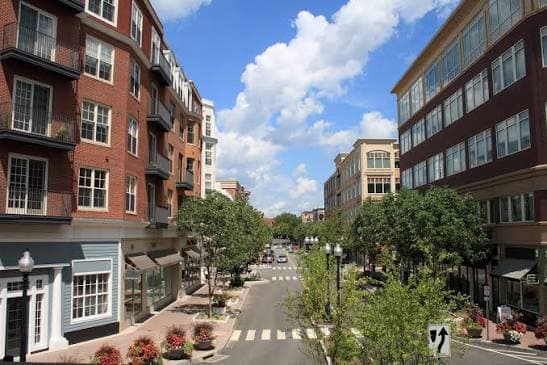
New Park Avenue in West Hartford is evolving from an area shaped by industry into a more diverse neighborhood combining housing, transportation, retail, design businesses, and restaurants. This article explores the history of Elmwood and New Park Avenue and how the area’s development is influencing its dining scene. It introduces Sichuan Alley Bistro, a modern Sichuan restaurant inspired by the food culture of Chengdu’s historic alleyways. With dishes such as Mapo Tofu and chili chicken, along with contemporary cocktails and a modern dining space, the restaurant adds another layer to West Hartford’s changing local food culture.
West Hartford,Sichuan Food,Chinese Food,Local Food,Connecticut
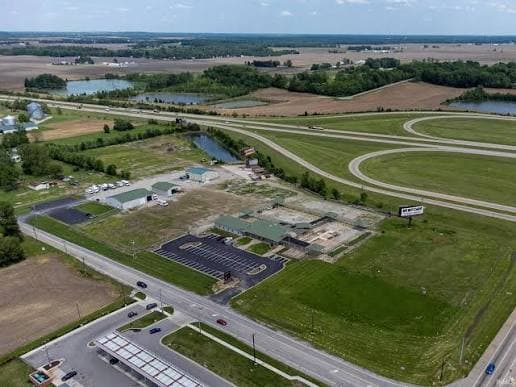
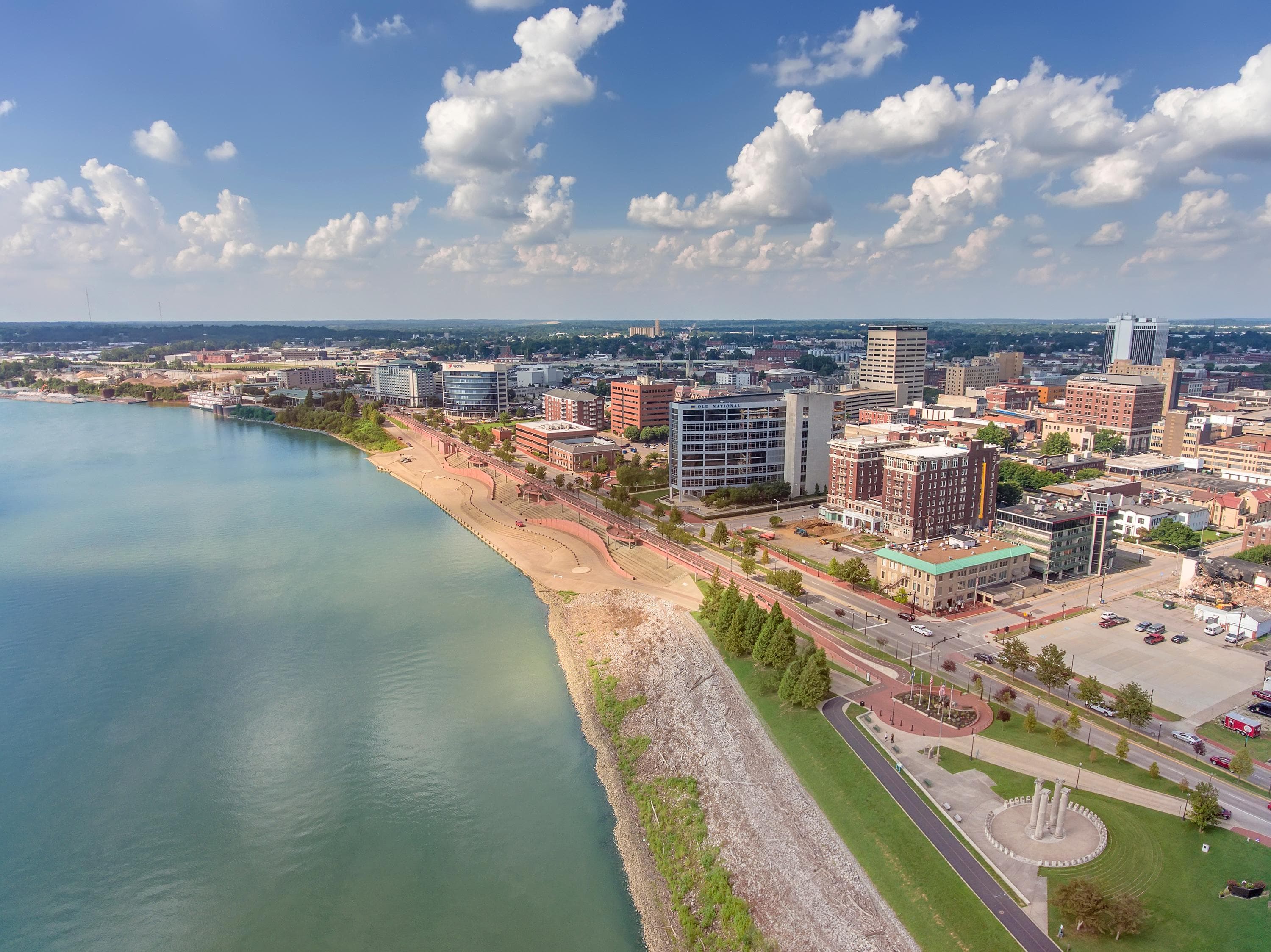
Evansville’s East Side has become an important destination for shopping and dining, especially around Green River Road, Burkhardt Road, and Lloyd Expressway. This article explores how the area’s evolving food scene reflects the changing lifestyle of Evansville and the surrounding Tri-State region. It introduces Hokkaido Ramen House, a local Japanese-inspired restaurant offering ramen, sushi, hibachi, fried noodles, rice dishes, and bubble tea. Beyond its menu, the restaurant represents the growing variety of dining options available to local residents and visitors looking for something different from the area’s familiar chain restaurants.
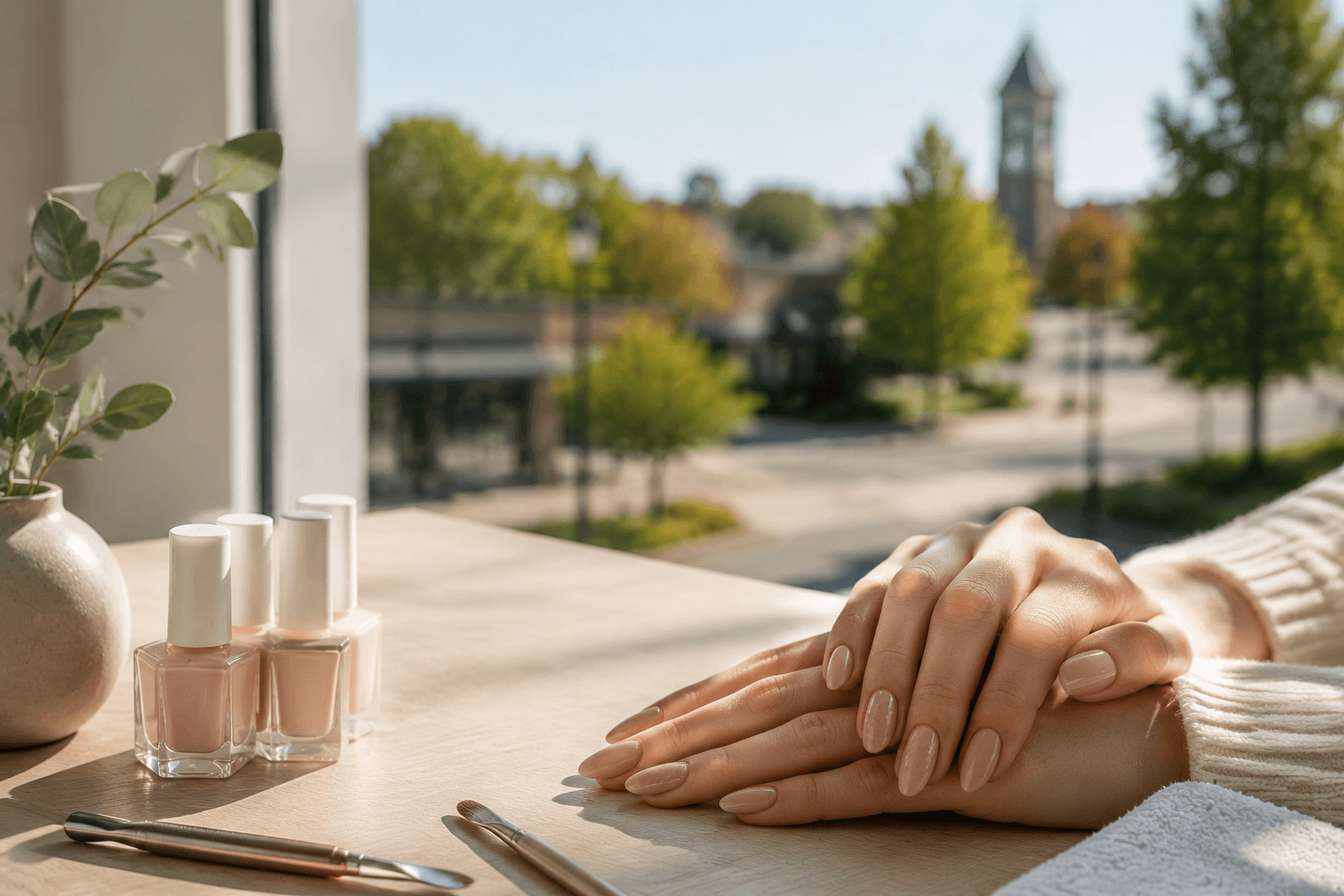
Yo2 Nail Bar reflects the changing lifestyle of Cary, North Carolina, a community that has grown from a small railroad town into one of the Southeast’s most educated and technology-driven suburbs. Located on Cary Parkway, the salon offers manicures, pedicures, gel services, dip powder, nail enhancements, nail art, massage, and waxing. This article explores Cary’s transformation alongside the evolution of modern beauty services, and how convenience, design, online reputation, and personalized experiences are becoming increasingly important to local businesses.
Nail salon in Cary NC,Nail salon Cary,Cary nail salon,Nail art Cary NC,Gel nails Cary,Dip powder nails Cary,Beauty services Cary NC,Nail care in Cary
Sichuan Alley Bistro brings modern Sichuan cuisine, creative cocktails, and contemporary dining experience to West Hartford, Connecticut. Located in the historic Elmwood neighborhood, the restaurant reflects the transformation of New Park Avenue from an industrial corridor into a growing destination for food, design, and local culture. Through dishes like Dan Dan Noodles, Mapo Tofu, Sichuan-style spicy chicken, and handcrafted drinks, Sichuan Alley Bistro combines traditional Chinese flavors with modern hospitality. This article explores how the restaurant connects with West Hartford’s history, diverse community, and evolving food scene.
Located in the heart of Montréal’s historic Chinatown, Machiya Ramen brings authentic Japanese ramen culture to Clark Street. Featuring rich tonkotsu broth, handmade-style dishes, and a neighborhood-focused atmosphere, the restaurant connects Japanese culinary tradition with the multicultural history of Montréal’s Chinatown. More than a place for ramen, Machiya Ramen represents the evolving story of food, community, and cultural exchange.

 GuideDining & Food